Source High Durability Engine Camshaft for Passenger and Diesel Vehicles
Find high durability engine camshaft options for turbocharged and naturally aspirated gasoline engines, as well as diesel applications. Compare specifications for 30 available products, including models like 1007408 and 3801769, sourced from China with ISO certification and 12-month warranty coverage.
Key considerations
Products List


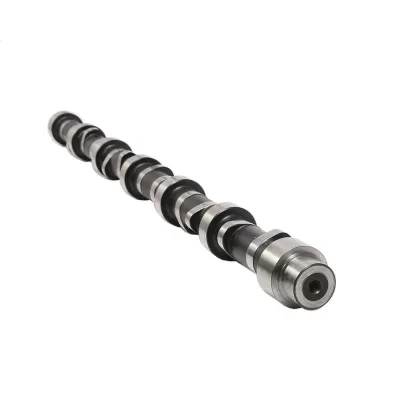
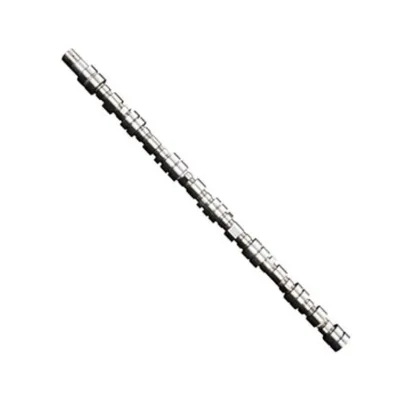


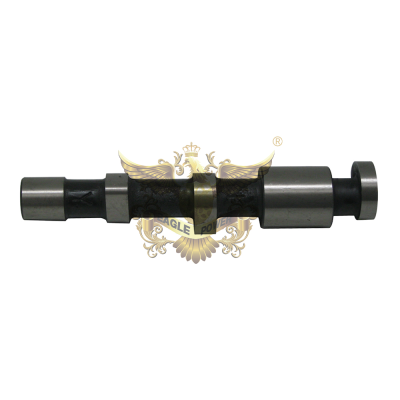


Comprehensive Sourcing Guide
High Durability Engine Camshaft Sourcing Guide
Procuring high durability engine camshafts requires a rigorous assessment of material integrity and geometric precision to ensure longevity under varying thermal loads. Buyers must prioritize components constructed from verified steel or cast iron alloys, as these materials provide the necessary tensile strength to withstand the repetitive stress of valve actuation. The observed market data indicates a wide variance in specifications, ranging from turbocharged gasoline applications to naturally aspirated diesel engines, necessitating a precise match between the camshaft profile and the specific engine displacement.
Sourcing decisions should also account for the customization availability observed in current listings, which allows for tailored camshaft angles and shapes to optimize engine performance. While some units are listed with standard dimensions, others offer bespoke configurations to meet specific customer needs, requiring clear communication of technical requirements before order placement. Understanding the distinction between top-mounted layouts and other configurations is essential for ensuring compatibility with the existing engine block and cylinder head architecture.
Product Scope and Observed Listing Signals
The current market presents a diverse array of camshaft products, with observed prices ranging significantly from 3 to 1140 USD, reflecting differences in material quality, manufacturing complexity, and intended application. Listings frequently specify the product origin as China, with a notable concentration of suppliers located in Zhejiang, suggesting a robust regional supply chain for automotive engine components. Buyers should carefully examine the listed model numbers, such as 200-04400-6050 or 1007408, to ensure the specific part aligns with their vehicle make and engine type before initiating a purchase.
Packaging and shipping methods are critical variables in the procurement process, with options ranging from ocean freight to bulk or wooden box configurations suitable for international transport. The observed minimum order quantities vary from single items to 1000 units, offering flexibility for both small-scale repair shops and large-scale fleet operators. It is imperative to verify the condition of the product, as most listings specify "New" status, ensuring that the camshaft is free from wear and ready for immediate installation in replacement scenarios.
Technical Specifications to Verify
Technical verification must begin with the confirmation of engine compatibility, specifically matching the camshaft to the correct engine type, whether it is a turbocharged gasoline unit or a naturally aspirated diesel engine. The observed data highlights specific displacement requirements, such as 2.0t or 1.5L, which directly influence the camshaft lobe profile and duration. Buyers should cross-reference the provided model numbers and OE numbers, such as 1007408 or 3801769, against their vehicle's service manual to prevent mismatches that could lead to catastrophic engine failure.
Dimensional accuracy is equally critical, with specifications often including gross weight and length measurements like 1.688kg with a 362mm length or 1.422kg with a 350mm length. The camshaft angle, observed at 180 degrees in certain listings, and the shape, described as crankshaft in some contexts, must align with the engine's timing requirements. Additionally, the physical size is noted as standard in many cases, but buyers must confirm that the single package size and overall dimensions fit within their logistical constraints and installation space.
Compliance and Safety Documentation
Compliance verification is essential for ensuring that the camshaft meets international quality and safety standards, with ISO certification appearing as a key indicator of a supplier's commitment to quality management systems. While specific test results are not universally provided in the listings, the presence of ISO certification suggests that the manufacturing process adheres to recognized protocols for material consistency and dimensional tolerance. Buyers should request detailed documentation regarding the material composition, specifically confirming whether the component is made of steel or cast iron, to validate its suitability for high-stress environments.
Safety and reliability are further supported by warranty terms, with many suppliers offering a 12-month warranty that covers defects in material or workmanship. This warranty period provides a crucial safety net for buyers, ensuring that any premature failures are addressed without additional cost. It is also important to verify the sample availability, as obtaining a physical sample allows for independent inspection of the product's finish, hardness, and overall build quality before committing to a larger order volume.
Cost Drivers and Commercial Terms
Cost drivers in the camshaft market are heavily influenced by the material composition, with steel and cast iron variants commanding different price points based on their durability and manufacturing costs. The observed price range of 3 to 1140 USD reflects the spectrum from basic replacement parts to high-performance, customized units designed for specific engine configurations. Buyers must evaluate the total cost of ownership, considering not just the unit price but also the shipping costs associated with ocean freight or bulk packaging, which can significantly impact the final landed cost.
Commercial terms such as the minimum order quantity (MOQ) and selling units play a vital role in budgeting and inventory management, with MOQs ranging from 1 to 1000 units. The availability of samples allows buyers to test the product before scaling up, mitigating the risk of large-scale procurement errors. Additionally, the packing method, whether neutral or customized, can affect the cost and must be factored into the overall procurement strategy to ensure efficient logistics and protection during transit.
Supplier Qualification and Quality Control
Supplier qualification should focus on verifying the place of origin and the specific manufacturing capabilities of the vendor, with Zhejiang, China, emerging as a key hub for these components. Buyers must assess the supplier's ability to provide customization, as the market data indicates that many manufacturers can tailor products to specific customer needs, including unique camshaft angles and shapes. The presence of a brand name, such as Wellco, can also serve as a proxy for reputation, though buyers should still conduct independent due diligence on the supplier's track record and production capacity.
Quality control measures are paramount, with a focus on ensuring that the product meets the "High-Quality" standard observed in many listings. Buyers should request evidence of the manufacturing process, including material testing and dimensional inspection reports, to confirm that the camshaft meets the required specifications. The condition of the product, consistently listed as "New," should be verified through visual inspection or third-party quality assurance services to ensure that no defects or wear are present upon delivery.
Long-Term Procurement Checks
Long-term procurement success relies on establishing a reliable supply chain that can consistently deliver high-durability camshafts that meet evolving engine requirements. Buyers should monitor the supplier's ability to maintain consistent quality over time, particularly as engine technologies advance and new displacement or turbocharging standards emerge. Regular audits of the supplier's production processes and quality control systems can help ensure that the camshafts continue to meet the necessary performance and safety standards.
It is also essential to maintain open communication channels with suppliers to address any potential issues quickly and efficiently. The availability of samples and the flexibility of customization options should be leveraged to adapt to changing market demands and vehicle models. By maintaining a proactive approach to supplier management and quality assurance, buyers can secure a steady supply of high-durability engine camshafts that support the long-term reliability and performance of their vehicles.
FAQs
What materials are used for high durability engine camshafts?
High durability engine camshafts are typically manufactured from steel or cast iron. Steel offers high strength and wear resistance for turbocharged applications, while cast iron provides excellent damping and cost-effectiveness for naturally aspirated engines. The choice depends on the specific engine displacement and operational requirements.
Can I customize the camshaft specifications for my engine?
Yes, customization is available for high durability engine camshafts to meet specific customer needs. Buyers can request adjustments to the camshaft angle, shape, and layout. This ensures the component fits precisely into various passenger vehicle engines, including those with top-mounted layouts and specific displacement requirements like 1.5L or 2.0t.
What certifications ensure the quality of these camshafts?
Quality high durability engine camshafts often carry ISO certification, indicating adherence to international management standards. This certification helps ensure consistent manufacturing processes and product reliability. Buyers should verify that the supplier maintains valid ISO credentials to guarantee the structural integrity and performance of the replacement parts.
How are these camshafts packed for international shipping?
These components are packed in bulk or wooden boxes suitable for ocean freight shipping. The packaging is designed to protect the camshafts from damage during transit. Neutral packing options are available, ensuring the products arrive safely at the destination port while maintaining their condition for immediate installation or storage.
What is the typical warranty period for new camshafts?
New high durability engine camshafts generally come with a 12-month warranty. This coverage protects buyers against manufacturing defects and ensures product reliability. The warranty applies to new condition parts, providing confidence in the purchase for both passenger vehicle and diesel engine applications requiring precise replacement components.